A carp fishing holiday in France has a reputation for being expensive, and it can be if you let it. But it doesn’t have to be. With some sensible planning and a few smart choices about format, timing, and how you travel, a week on a quality French or European lake can cost far less than many anglers expect.
Here’s how to keep the cost down without compromising the fishing.
Choose the right format for your budget
The biggest single influence on the cost of your trip is the type of venue you book, so it’s worth understanding the options before anything else.
Drive and survive trips are generally the most cost-effective format. With no accommodation to pay for, more of your budget goes into the lake, the bait, and the fishing itself. Our guide to drive and survive carp fishing holidays covers what to expect, what to pack, and how to make the most of a self-sufficient week on the bank.
Group size matters just as much. Exclusive lake hire can offer excellent value once the cost is split across three or more anglers, because you’re sharing the price of the whole lake between the group. If you’re travelling solo or as a pair, individual angler lakes let you book your own swim at a proportionate cost instead. Our post on choosing between lake exclusive and individual swims explains how the two formats compare.
Split the costs across a group
If you have a group of friends who fish, sharing the cost is the most effective way to reduce the price per head. The lake hire, fuel, tolls, and ferry crossing for a vehicle all divide across everyone travelling, and the saving on each of those adds up quickly.
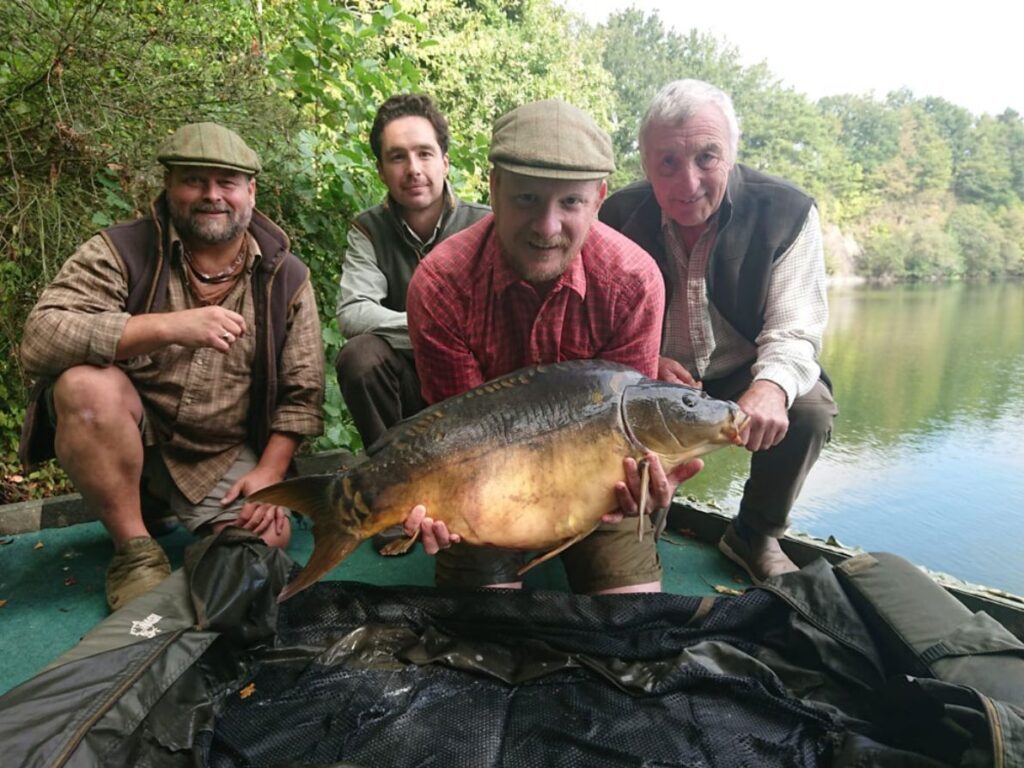
Sorting the split before you travel avoids awkwardness later. Agree who’s covering what, how shared costs like fuel and tolls will be divided, and whether food is shared or individual. Our guide to fishing a French lake in a group covers the practical side of making a group trip run smoothly, including how to handle shared costs and duties.
Travel outside peak season
School holiday weeks are the busiest and, on many venues, the most expensive. Travelling outside those dates can make a real difference to what you pay, and it often means better availability as well.
September and October are particularly worth considering. As covered in our guide to autumn carp fishing in France, these months are among the best of the season for the fishing itself, and demand is usually lower than the peak summer weeks. Spring dates before the summer rush are another option if your schedule allows.
Keep an eye on last minute availability
If your dates are flexible, the last minute availability page on swimbooker Holidays is worth checking regularly. It shows every venue with a bookable slot in the next six weeks, refreshed hourly from live booking calendars. The fishing on offer doesn’t change because you booked at short notice, so if you can move quickly when something suitable appears, it’s a useful way to find a trip that fits your budget.
Plan your crossing carefully
The ferry or tunnel crossing is often one of the largest costs outside the lake itself, and it’s one you have some control over. Booking well in advance usually works out cheaper than booking close to the date, particularly for peak summer sailings. Being flexible on the day and time of travel can also reduce the price, since some crossings cost noticeably more than others.
Think about which crossing suits your destination too. A longer crossing that lands you closer to your lake can save fuel and time on the French side, which may offset a higher fare. It’s worth comparing the total cost of the journey rather than just the ticket price.
Cut the cost of the journey itself
Fuel, tolls, and food en route all add up over a long drive. A few habits keep them under control:
- Check your route in advance and compare toll roads against the alternatives, weighing the money saved against the extra time
- Fill up on fuel away from motorway service stations, where prices are typically higher
- Keep your car as light as you sensibly can, since a heavy load and roof box increase fuel use
- Carry Euros for tolls so you’re not caught out at the barrier
- Share the driving in a group so you can make good progress without overnight stops
Eat well without overspending
Food is one of the easiest areas to save on. French supermarkets are excellent, and shopping there is usually far cheaper than eating out or buying from service stations. Plan your meals for the week before you travel, do one proper shop on the way to the lake, and you’ll avoid the temptation to spend more than you need to.
If you’re on a drive and survive trip, a simple two-burner gas stove and a decent cool box will cover almost everything. Keep meals easy to cook on the bank and you’ll spend far less than you would on eating out through the week.
Bring what you need, not everything you own
It’s tempting to pack for every eventuality, but more kit doesn’t mean more fish. Bringing only what you’ll genuinely use keeps the vehicle lighter, saves fuel, and reduces the risk of spending money on replacements for gear you didn’t need in the first place.
Check whether your venue provides any equipment on site, such as landing nets, weigh slings, or unhooking mats, before you buy anything new for the trip. Our essential tackle checklist for a French carp fishing trip is a good starting point for working out what to bring.
Book with confidence
A budget trip works best when there are no surprises. Read the lake page carefully before you book, so you know exactly what’s included and what you’ll need to bring or arrange yourself. Every venue on swimbooker Holidays shows live availability and books instantly online, which means you can compare dates and options quickly and lock in the trip that suits your budget.
Find your next carp fishing holiday on swimbooker Holidays
Whether you’re after a drive and survive trip, a group booking on an exclusive lake, or an individual swim, browse the full range across France and Europe on swimbooker Holidays, all with live availability and instant online booking.